

Plotter: Precision Printing for Large-Format Design and Engineering Needs
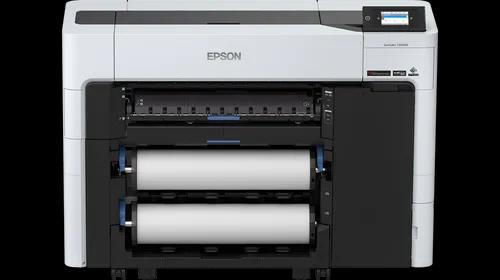
Epson Plotter
In industries where accuracy, scale, and detail matter the most, standard printers often fall short. This is where a plotter becomes an essential tool. Designed specifically for large-format printing, plotters are widely used by architects, engineers, designers, construction firms, and print professionals who need high-quality output with precise details.
A plotter is not just a printer—it is a specialized printing solution built for technical drawings, graphics, and large visuals that demand clarity and consistency.
What Is a Plotter?
A plotter is a large-format printing device used to produce high-resolution drawings, diagrams, maps, banners, posters, and technical plans. Unlike regular printers that handle small paper sizes, plotters can print on large sheets, rolls, or continuous media without delivering distortion or loss of detail.
Plotters are commonly used for:
CAD drawings
Architectural blueprints
Engineering plans
GIS maps
Advertising graphics
Textile and signage designs
How Does a Plotter Work?
Modern plotters work digitally, receiving data directly from design software such as CAD or graphic design tools. The plotter then prints the design using inkjet or laser technology with extreme precision.
Instead of printing line by line like a traditional printer, plotters are optimized to reproduce fine lines, curves, color gradients, and sharp edges accurately—even on large surfaces.
This makes them ideal for professional environments where precision and scale are critical.
Types of Plotters
Inkjet Plotters
Inkjet plotters are the most common type today. They use liquid ink to create vibrant colors and sharp details. These plotters are ideal for:
Architectural drawings
Posters and banners
Graphic design work
Large-Format Plotters
Designed for oversized prints, these plotters handle roll media and wide paper sizes, making them perfect for engineering and construction applications.
CAD Plotters
Specifically optimized for technical drawings, CAD plotters deliver precise line accuracy and consistent output for blueprints and schematics.
Photo and Graphic Plotters
Used in advertising and creative industries, these plotters focus on color accuracy, smooth gradients, and high-quality image reproduction.
Key Benefits of Using a Plotter
Exceptional Accuracy
Plotters are built for precision. They produce clean lines, accurate measurements, and consistent output, which is critical for technical and design work.
Supports Large-Format Printing
From A1 and A0 sheets to custom roll sizes, plotters handle large prints effortlessly without compromising quality.
High-Quality Visual Output
Whether it’s a detailed blueprint or a colorful banner, plotters deliver sharp text, smooth lines, and vibrant visuals.
Time and Cost Efficiency
Printing in-house with a plotter reduces dependency on external printing services, saving time and long-term costs.
Professional Presentation
Plotter prints look polished and professional, helping businesses present designs, plans, and visuals with confidence.
Applications of Plotters
Plotters are used across many industries, including:
Architecture and Construction
Architects and builders rely on plotters for accurate blueprints, floor plans, and construction drawings.
Engineering
Engineers use plotters to print technical schematics, diagrams, and mechanical layouts with exact measurements.
Advertising and Marketing
Plotters are ideal for producing posters, banners, signage, and promotional visuals.
Education and Training
Universities and training institutes use plotters for academic projects, research maps, and teaching materials.
Fashion and Textile Design
Plotters are also used to print fabric patterns, templates, and design layouts.
Why Plotters Are Better Than Regular Printers
While standard printers are suitable for everyday documents, they lack the capability to handle large formats and fine technical details. Plotters are specifically engineered to handle complex designs at scale while maintaining clarity and precision.
For professionals working with detailed drawings or large visuals, a plotter is not a luxury—it is a necessity.
Things to Consider Before Buying a Plotter
Before choosing a plotter, it’s important to evaluate:
Maximum print width and media size
Print resolution and speed
Ink or toner type
Software compatibility
Maintenance and running costs
Intended application (CAD, graphics, posters, etc.)
Selecting the right plotter ensures better productivity and long-term value.
Final Thoughts
A plotter is a powerful printing solution designed for professionals who demand accuracy, scale, and quality. From technical drawings to creative graphics, plotters support a wide range of applications across industries.
As design and engineering work continues to grow more detailed and visually driven, plotters remain a vital tool for producing precise, professional, and impactful prints. Investing in the right plotter helps streamline workflows, improve presentation quality, and support business growth.