

How Handheld 2D Barcode Scanners Improve Accuracy and Efficiency Across Industries
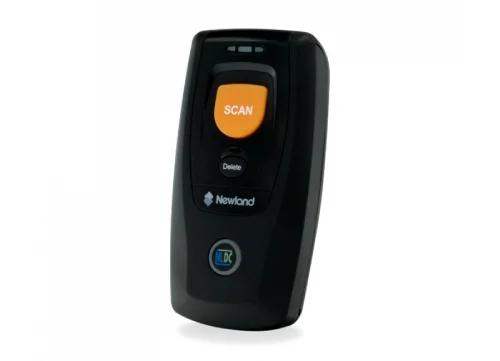
How Handheld 2D Barcode Scanners Improve Accuracy and Efficiency Across Industries
Introduction
Businesses handle thousands of products, documents, and transactions every day. Therefore, fast and accurate data collection has become essential. Manual data entry often takes time and increases the chance of errors. As a result, many organizations now rely on handheld barcode scanners to simplify daily operations.
A handheld 2D barcode scanner is a compact device designed to read both traditional barcodes and modern QR codes. These scanners improve workflow, reduce mistakes, and help employees complete tasks more efficiently. Whether used in retail, healthcare, logistics, or warehousing, handheld scanners have become valuable tools for everyday business operations.
What Is a Handheld 2D Barcode Scanner?
A handheld 2D barcode scanner is a portable scanning device that reads one-dimensional (1D) and two-dimensional (2D) barcodes. Unlike older laser scanners, modern 2D scanners can capture information from printed labels as well as digital screens.
Additionally, they can read damaged, faded, or low-quality barcodes more accurately. This makes them suitable for businesses that process products, inventory, tickets, or digital documents.
Why Businesses Use Handheld Barcode Scanners
Accurate data collection helps organizations reduce manual work and improve productivity. Instead of typing product numbers or serial codes, employees can simply scan a barcode.
This approach offers several advantages:
Faster data entry
Reduced human errors
Improved inventory accuracy
Better workflow efficiency
Quicker customer service
Easier asset tracking
Consequently, businesses can save time while improving operational performance.
Understanding 1D and 2D Barcodes
Many people are familiar with traditional barcodes found on retail products. These are called 1D barcodes.
However, 2D barcodes store much more information in a smaller space. QR codes are one of the most common examples.
A handheld 2D scanner can read both formats, including:
QR Codes
Data Matrix
PDF417
Aztec Codes
Traditional retail barcodes
Shipping labels
Therefore, businesses only need one scanner for multiple barcode types.
Common Applications of Handheld Barcode Scanners
Handheld scanners support many industries because they simplify everyday tasks.
Some common applications include:
Retail Stores
Retail staff use handheld scanners to process sales, update inventory, verify product prices, and manage stock levels more efficiently.
Warehouses
Warehouse employees scan products during receiving, storage, picking, and shipping. This improves inventory accuracy and order fulfillment.
Healthcare
Hospitals and clinics use barcode scanners to identify patients, track medications, and manage medical supplies safely.
Logistics and Transportation
Shipping companies scan parcels throughout delivery routes. This provides better shipment tracking and improves operational efficiency.
Manufacturing
Manufacturers use scanners to monitor production materials, finished goods, and equipment throughout the production process.
Benefits of Using a Handheld Scanner
Modern barcode scanners offer more than fast scanning. They also improve daily business operations.
Some key benefits include:
Faster Workflow
Employees complete tasks more quickly because scanning takes only a few seconds.
Higher Accuracy
Manual typing often leads to mistakes. Barcode scanning significantly reduces data entry errors.
Better Inventory Management
Accurate inventory information helps businesses avoid stock shortages and unnecessary overstocking.
Improved Customer Experience
Quick product scanning shortens waiting times at checkout counters and service desks.
Reduced Administrative Work
Because scanning automatically captures data, employees spend less time entering information manually.
Features to Look for in a Handheld Scanner
Different businesses have different scanning requirements. Therefore, selecting the right scanner depends on several important features.
Consider devices that offer:
1D and 2D barcode support
Fast scanning performance
Lightweight design
Comfortable grip
High durability
USB or wireless connectivity
Long operating life
Easy integration with existing systems
Choosing the right combination of features improves both user experience and productivity.
How 2D Imaging Technology Improves Scanning
Unlike traditional laser scanners, image-based scanners capture the entire barcode using a camera sensor.
As a result, they can read:
Damaged barcodes
Scratched labels
Faded printing
Mobile phone screens
Tablet displays
Computer monitor barcodes
This flexibility makes image-based scanners suitable for modern workplaces where digital barcodes are increasingly common.
Industries That Benefit from Handheld Barcode Scanners
Handheld scanners support organizations of every size.
They are widely used in:
Retail businesses
Supermarkets
Warehousing
Distribution centers
Hospitals
Laboratories
Manufacturing plants
Government offices
Educational institutions
Libraries
Transportation companies
Hospitality businesses
Because they support many applications, handheld scanners continue to play an important role in digital operations.
Best Practices for Using Barcode Scanners
Proper usage helps maintain consistent scanning performance.
Follow these simple practices:
Keep the scanner lens clean.
Store the device in a safe location.
Avoid dropping the scanner.
Update software when available.
Train employees on proper scanning techniques.
Scan labels from the recommended distance.
These simple steps help extend the scanner's lifespan while maintaining reliable performance.
Key Features of Modern Handheld 2D Barcode Scanners
Most professional handheld scanners include features such as:
Support for 1D and 2D barcodes
High-speed scanning
Image-based scanning technology
Digital screen barcode reading
Lightweight ergonomic design
USB connectivity
Durable construction
Fast decoding performance
Low maintenance requirements
Easy installation
These features make handheld scanners suitable for both small businesses and large enterprises.
Conclusion
Accurate data collection is essential for modern business operations. Handheld 2D barcode scanners simplify inventory management, retail transactions, logistics, healthcare workflows, and asset tracking. They reduce manual errors, improve efficiency, and support faster decision-making across multiple industries.
As businesses continue to adopt digital processes, handheld barcode scanners remain practical tools for improving productivity and maintaining accurate records. Choosing a scanner that supports both 1D and 2D barcodes provides greater flexibility while meeting the demands of today's fast-paced work environments.