

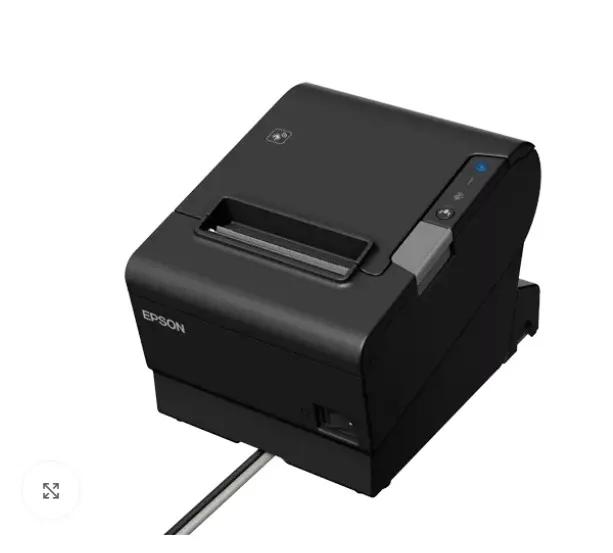
Thermal Printer
What is a POS Thermal Printer?
A POS thermal printer is a device used with billing or point-of-sale systems to print customer receipts quickly. Instead of using ink or toner, this printer uses heat and special thermal paper to create printed text. Because of this technology, businesses don’t need to replace ink cartridges or ribbons, which makes the device easier to manage and maintain.
For many businesses, the checkout counter is one of the most important parts of the customer journey. It is the final step before the customer leaves the store or service location. If the billing process is slow, it can lead to long queues and frustration. This is why many retail stores, restaurants, pharmacies, and service providers rely on modern receipt printing solutions that can support fast billing operations.
Thermal printing technology has become popular because it is reliable and simple to operate. With fewer mechanical parts inside the device, the chances of technical issues are reduced. This helps businesses avoid interruptions during busy hours when multiple transactions are happening.
Another reason businesses prefer this technology is its ability to deliver clear and readable receipts within seconds. Whether it’s a small shop or a large retail chain, quick receipt generation helps complete transactions smoothly and keeps the checkout process moving efficiently.
How Thermal Printing Works
Thermal printing works through a simple heat-based mechanism. Inside the printer is a thermal print head that heats specific sections of the paper. The paper used for this type of printing contains a special coating that reacts to heat. When the heated print head touches the paper, the coated area turns dark and forms text or images.
This process eliminates the need for ink or ribbons. As a result, businesses only need to replace the paper roll when it runs out. This reduces maintenance tasks and simplifies daily operations for staff members working at the checkout counter.
Another benefit of this technology is speed. Since the printer does not need to transfer ink onto the paper, it can produce receipts much faster than traditional printing systems. This speed helps businesses handle a higher number of transactions during peak hours.
Thermal printers also operate quietly compared to older receipt printers. In environments such as restaurants, cafés, or clinics where customer comfort matters, quieter equipment helps create a better atmosphere.
Why Fast Checkout Matters for Businesses
Customers today expect quick and smooth service whenever they make a purchase. Whether they are buying groceries, paying for a service, or ordering food, they usually prefer businesses that complete transactions quickly. Long waiting times at the billing counter can negatively affect the overall customer experience.
When checkout lines become slow, customers may feel frustrated and sometimes decide not to wait. This can lead to lost sales opportunities. For businesses with high customer traffic, even a few seconds of delay during each transaction can create longer queues throughout the day.
A faster checkout process helps improve customer satisfaction. When people can complete their purchase quickly, they are more likely to return and recommend the business to others. Speed and convenience often play a major role in shaping customer loyalty.
Businesses also benefit from improved productivity when checkout operations are efficient. Employees can handle more customers within the same working hours, which helps increase overall operational efficiency.
Key Benefits of Using the Right Receipt Printing Solution
One of the biggest advantages of modern receipt printing technology is speed. Fast printing helps staff complete transactions quickly and keeps customer lines moving smoothly. In busy retail environments, this can make a significant difference in how efficiently the store operates.
Another major benefit is cost efficiency. Because thermal printing does not require ink cartridges or ribbons, businesses can reduce the cost of consumables. The only supply required is thermal paper, which is simple to store and replace.
Maintenance requirements are also minimal. Devices that rely on fewer mechanical parts are generally more reliable and require less servicing. This reduces downtime and ensures the checkout system remains functional throughout the day.
Compact design is another important advantage. Checkout counters often have limited space, especially in small stores or service locations. Thermal printers are designed to be compact and lightweight, allowing them to fit easily into tight workspaces without affecting functionality.
Many modern printers also offer flexible connectivity options such as USB, Ethernet, Bluetooth, and Wi-Fi. This allows businesses to integrate the printer with different POS systems and devices without difficulty.
Important Features to Consider Before Choosing a Printer
When selecting a receipt printer for business operations, it is important to consider several factors that affect performance and usability.
Printing speed is one of the most important aspects. Businesses that handle a large number of transactions should choose printers that can generate receipts quickly. Faster printing helps prevent delays at the billing counter and improves the overall checkout flow.
Connectivity options are another key consideration. Many businesses use different POS systems or mobile devices, so a printer that supports multiple connection methods provides greater flexibility. USB connections are common for standard setups, while Bluetooth or Wi-Fi connectivity can support mobile or wireless billing systems.
Reliability is also essential. Businesses should invest in devices that are designed for continuous use, especially if the store operates for long hours. Durable printers help avoid disruptions and reduce the need for frequent repairs.
Print quality should not be overlooked either. Clear receipts help customers easily read their purchase details and help businesses maintain accurate records. Good print clarity also supports returns, exchanges, and warranty claims.
Another useful feature is an automatic paper cutter. This feature cuts the receipt automatically after printing, saving time for employees and improving transaction efficiency.
Businesses That Benefit the Most from Thermal Receipt Printing
Retail stores are among the biggest users of thermal printing technology. Supermarkets, electronics stores, clothing outlets, and convenience shops process a large number of transactions daily. Faster receipt printing helps keep checkout lines short and improves the shopping experience.
Restaurants and cafés also benefit greatly from efficient receipt printing. Quick billing helps staff manage orders smoothly, especially during busy hours when many customers are waiting to pay.
Service-based businesses such as salons, spas, clinics, and repair centers also rely on quick billing processes. When receipts can be printed quickly, employees can focus more on customer service rather than waiting for equipment to finish printing.
Pharmacies and medical stores also use thermal printers for quick invoice generation. Since these businesses often serve customers who need immediate assistance, efficient billing helps reduce waiting time.
Conclusion
Checkout efficiency plays an important role in the success of modern businesses. A slow billing process can lead to longer queues, frustrated customers, and lost sales opportunities. Businesses that focus on improving the checkout experience often see better customer satisfaction and smoother daily operations.
Using the right POS thermal printer can help businesses achieve faster and more reliable receipt printing. With quick performance, low maintenance requirements, and compact design, this technology supports efficient billing processes across different industries.
From retail stores to restaurants and service providers, businesses that invest in reliable receipt printing solutions can improve productivity and deliver a better customer experience. A faster checkout process not only benefits customers but also helps businesses operate more efficiently in competitive markets.
FAQs
1. What is a POS thermal printer used for?
It is used to print receipts quickly at the checkout counter using heat-based printing technology.
2. Do thermal printers require ink cartridges?
No. Thermal printing works using heat, so ink or toner cartridges are not required.
3. Are thermal printers suitable for small businesses?
Yes. Their compact size, low maintenance requirements, and fast printing make them suitable for small and medium businesses.
4. How does thermal printing improve checkout efficiency?
Faster receipt printing reduces transaction time and helps businesses serve customers more quickly.
5. Which industries commonly use thermal receipt printers?
Retail stores, restaurants, cafés, pharmacies, and service businesses frequently use thermal printing systems.